The KosherJava Zmanim API version 2.5.0 was released on June 9, 2023 י״ג סיון תשפ״ג in Maven and GitHub.
New in Version 2.5.0
Update AstronomicalCalendar and ComplexZmanimCalendar to support astronomical noon and astronomical midnight. This increases the precision in all locations (see The Definition of Chatzos post) and allows chatzos (and chatzos derived zmanim) calculations even in the Arctic/Antarctic. Some poskim are of the opinion that astronomical noon and midnight are the day-night boundaries in locations where there is no alos and tzais. The change calculates astronomical noon/midnight based on longitude alone, not as halfway between sunrise and sunset, something that may not happen in the Arctic and Antarctic.
Note: This mistakenly created a backwards compatibility break by changing the default calculation of chatzos time. In order not to break it again, this will remain, but a new isUseAstronomicalChatzos() and supporting methods were added that controls this. There is also a getChatzosAsHalfDay() method that will return half-day chatzos regardless of the setting. These changes will be part of the v2.6.0 release.
Correct spelling of Bein Hashmashos methods the ComplexZmanimCalendar (was missing the second H). being a minor release, this was a non-breaking change with the misspelled version kept in place until the next major release (3.0.0). Thanks Yaakov Schlachter.
The KosherJava Zmanim API version 2.3.0 was released on Dec 7th, 2021 ג׳ טבת תשפ״ב in Maven and GitHub. While there have been numerous releases over the years, this is the first release-related post since the v1.3.0 release in 2013. If you have not updated since that time, you can expect some changes. The most significant changes (besides a lot of new functionality) are the simple to fix breaking changes listed below.
Fixed an issue with kiddush levana being off by an hour when the molad and kiddush levana zmanim are on different sides of the DST change. This impacted the JewishCalendar but not the ComplexZmanimCalendar.
The Zmanim API no longer supports Java versions prior to Java 8 (released in March 2014). It likely still compiles against Java 6 released in December 2006.
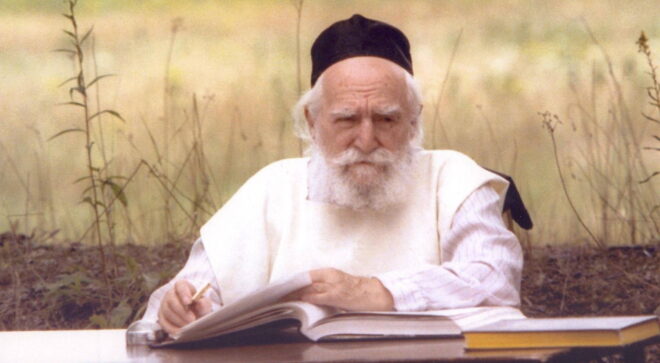
Rav Moshe Feinstein is of the opinion that chatzos is at a fixed time all year round and is calculated based on the location’s longitude (in Lakewood, NJ it is at 11:56am / 12:56pm during DST). See Igros Moshe Orach Chaim vol 4 no. 20 who states
והנה החצות לילה באמת לא משתנה כלל מימים הארוכים דקיץ לימים הקצרים חזודף אף לא לרגע אחד, למה שכתבתי בספרי אגדות משה על או״ח בסימן כ״ד שחצות היום הוא לעולם שוה שהוא כשבא השמש לאמצע הדרום וזה שוה בכל השנה רק ששני חצאי היום אינם שוים רק איזה ימים בשנה ולפעמים חצי הראשון גדול ולפעמים חצי השני גדול עיי״ש, וכן קבלתי גם מאבי מורי זצללה׳׳ה.
ודע דחצות היום תמיד שוה בקיץ ובחורף כשיכה המורה שעות י״ב אז הוי חצות היום וכן בלילה שהרי השעות שנתוספו או נתקצרו חציים מקודם חצות וחציים מלאחר חצות וא׳׳כ ממילא דהחצות לעולם עומדת בשוה
Rav Moshe also bases other zmanim calculations on this fixed local chatzos. As opposed to calculating shaaos zmaniyos from beginning to the end of a day, Rav Moshe calculates a number of zmanim based on half of the day starting or ending at fixed local chatzos (see Igros Moshe Orach Chaim vol 1, no. 23).
ומש״כ ידידי שהלוח של הישיבה אינו מדוקדק, הנה הוא בדיוק גדול ונכתב על דעתי. והטעם דהחצות של היום שהוא כשבא השמש באמצע הדרום שוה לעולם, אבל שני חצאי היום אינם שוים רק איזה ימים בשנה ולפעמים חצי הראשון גדול ולפעמים חצי האחרון. ולכן בין לקולא בין לחומרא מסתבר שנחלקו שש שעות עד חצות ושש שעות מחצות עד הערב. ולכן מש״כ ידידי שהוא שבשתא וטעות לא דבר נכונה שהוא אמת גמור וליכא ע״ז שום קושיא.
For developers, here is sample code that calculates the new zmanim. This should allow many zmanim apps to add Rav Moshe Feinstein’s zmanim with very little effort.
String locationName = "145 E Broadway, New York, NY";
double latitude = 40.7138;
double longitude = -73.9913;
double elevation = 11;
TimeZone timeZone = TimeZone.getTimeZone("America/New_York");
GeoLocation location = new GeoLocation(locationName, latitude, longitude, elevation, timeZone);
ComprehensiveZmanimCalendar czc = new ComprehensiveZmanimCalendar(location);
czc.getCalendar().set(1986, Calendar.MARCH, 23); //Rav Moshe's petirah
System.out.println("Sof zman shma alos 18° to fixed local chatzos: " + czc.getSofZmanShmaMGA18DegreesToFixedLocalChatzos());
System.out.println("Sof zman shma alos 16.1° to fixed local chatzos: " + czc.getSofZmanShmaMGA16Point1DegreesToFixedLocalChatzos());
System.out.println("Sof zman shma alos 90 to fixed local chatzos: " + czc.getSofZmanShmaMGA90MinutesToFixedLocalChatzos());
System.out.println("Sof zman shma alos 72 to fixed local chatzos: " + czc.getSofZmanShmaMGA72MinutesToFixedLocalChatzos());
System.out.println("Sof zman shma sunrise to fixed local chatzos: " + czc.getSofZmanShmaGRASunriseToFixedLocalChatzos());
System.out.println("Sof zman tfila sunrise to fixed local chatzos: " + czc.getSofZmanTfilaGRASunriseToFixedLocalChatzos());
System.out.println("Mincha gedola 30 minutes after fixed local chatzos: " + czc.getMinchaGedolaGRAFixedLocalChatzos30Minutes());
System.out.println("Mincha katana fixed local chatzos to sunset: " + czc.getMinchaKetanaGRAFixedLocalChatzosToSunset());
System.out.println("Plag hamincha fixed local chatzos to sunset: " + czc.getPlagHaminchaGRAFixedLocalChatzosToSunset());
System.out.println("Tzais 50 minutes after sunset: " + czc.getTzais50());
//4 hours into a day based on half the day from alos 18° to fixed local chatzos
System.out.println("Sof zman tfila 18° to fixed local chatzos: " + czc.getFixedLocalChatzosBasedZmanim(getAlos18Degrees(), getFixedLocalChatzos(), 4);
//plag hamincha based on the second half of the day starting at fixed local chatzos and ending 50 minutes after sunset
System.out.println("Plag hamincha fixed local chatzos to tzais 50 minutes: " + czc.getFixedLocalChatzosBasedZmanim(getFixedLocalChatzos(), getTzais50(), 4.75);
I would like to thank Avraham David Gelbfish who requested this addition and provided instructions on the proper calculations used by these yeshivos in calculating the zmanim.
פירוש משתשקע החמה דר׳ יהודה ור׳ נחמיה משמתחלת לשקוע שנוטה מעט ומכירים העולם שרוצה להכנס בעובי הרקיע … ולשון משתשקע משמע הקדמה … וכן נראה לי עיקר דמשתשקע החמה הוא קודם שקיעת החמה דעולא ולא כדברי רבינו יעקב … ואין להקפיד על צאת הככבים … אע״ף שאין הכוכבים נראים … שלילה גמור הוא כפירושי.
The Yereim’s opinion is brought down by other Rishonim including the Mordechai and Rav Alexander Suslin HaKohen in his Sefer Agudah. The Yereim is mentioned by the Bach as a reason for the minhag of starting Shabbos early. The Yereim’s times are not brought down by the poskimlehalacha.
The Time to Walk a Mil
The time to walk a mil is based on the Gemara in Pesachim 93b – 94a. The time ranges in the poskim and includes 18, 22.5 and 24 minutes. Three quarters of these mil times would be 13.5, 16.875 and 18 minutes. It should be noted that the Yereim is of the opinion that a mil is 24 minutes. The above mentioned Mordechai who quoted the Yereim is also of the same opinion. We will hopefully discuss in detail the various opinions on the time to walk a mil in a future article.
The Addition of the Yereim’s Times to the KosherJava Zmanim Library
As of the 2.1.0 release of the KosherJava zmanim library, the Yereim’s bein hashmashos times have been added to the KosherJava zmanim library/API. There are six variants of these zmanim that were added. These include the three exact minute offsets mentioned above, as well as the conversion of these three times to degrees (elevation angle, or solar zenith angle). The only prior degree based time for the Yereim that I am aware of is in Rabbi Yedidya Manet’sZmanei Halacha Lema’aseh (זמני ההלכה למעשה מהרב ידידיה מנת). The Zmanei Halacha Lema’aseh charts calculate bein hashmashos in degrees based on the 18 minute (3/4 of a 24 minute mil, see p. 27 in the 4th ed. published in 2005), but does not clarify the degrees used. At Rabbi Yaakov Shakow’s recommendation, I used the refraction value of 31/60 or 0.516° that exists in Israel, as opposed to the global average of 0.566°. This more stringent refraction is mentioned in the Zmanei Halacha Lema’aseh (p. 11) and used in the לוח עתים לבינה Luach Itim Lebinah. I also slightly rounded the times. These small tweaks resulted in a trivial maximum 19 second chumra vs the non-rounded global average refraction. The resulting degrees of elevation angle for the Yereim’s bein hashmashos are 2.1°, 2.8° and 3.05°. Solar zenith angles are traditionally calculated using the sun’s position without adjusting for refraction and without accounting for the solar radius (i.e. it is the position of the center of the sun in a vacuum). This does not impact the calculated time, it is simply the convention used. In the upcoming 8th edition of הרב דוד יהודה בורשטין Rabbi Yehuda Burstein’sזמנים כהלכתם / Zmanim Kehilchasam he mentions that
הזמן הנ״ל של 18 דקות לפני השקיעה המישורית הוא הזמן רק במרכז א״י ביום הבינוני כנ״ל, ובכל מקום בכל יום מחשבין זאת לפי שיטת המעלות, דהיינו דבודקים כמה מעלות מעל האופק נמצאת השמש במרכז א״י ביום הבינוני 18 דקות לפני השקיעה המישורית, ואותו מספר מעלות של השמש מעל האופק בכל מקום בכל יום הוא הזמן של ״היראם״. ועוד יש להוסיף זמן ל״תוספת שבת״, ובזה יוצא ידי כל שיטות הראשונים ואשרי חלקו.
A future article will address the proper date to use for converting minute-based times to degrees below (or above) the horizon and show how to use the KosherJava Zmanim code to calculate this. I would like to thank Rabbi Yaakov Shakow for his help and suggestions.
Sample Code
Below are code examples for all six variants of the Yereim’s Bein Hashmashos (spelled BainHashmashos in the code).
GeoLocation yerushalayim = new GeoLocation("Jerusalem, Israel", 31.778, 35.2354, 0, TimeZone.getTimeZone("Asia/Jerusalem"));
ComplexZmanimCalendar czc = new ComplexZmanimCalendar(yerushalayim);
Date bh18Min = czc.getBainHasmashosYereim18Minutes();
Date bh3Pt05Deg = czc.getBainHasmashosYereim3Point05Degrees();
Date bh16Pt875Min = czc.getBainHasmashosYereim16Point875Minutes();
Date bh2Pt8Deg = czc.getBainHasmashosYereim2Point8Degrees();
Date bh13Pt5Min = czc.getBainHasmashosYereim13Point5Minutes();
Date bh2Pt1Deg = czc.getBainHasmashosYereim2Point1Degrees();

SimpleDateFormat sdf = new SimpleDateFormat("yyyy-MM-dd h:mm:ss a z"); //set the output format
sdf.setTimeZone(czc.getGeoLocation().getTimeZone()); //set the formatter's time zone
System.out.println("Bein Hashmashos 18 min:     " + sdf.format(bh18Min));
System.out.println("Bein Hashmashos 3.05°:      " + sdf.format(bh3Pt05Deg));
System.out.println("Bein Hashmashos 16.875 min: " + sdf.format(bh16Pt875Min));
System.out.println("Bein Hashmashos 2.8°:       " + sdf.format(bh2Pt8Deg));
System.out.println("Bein Hashmashos 13.5 min:   " + sdf.format(bh13Pt5Min));
System.out.println("Bein Hashmashos 2.1°:       " + sdf.format(bh2Pt1Deg));
The output of the above code (assuming that the calendar was set to March 16, 2020).
Bein Hashmashos 18 min:     2020-03-16 5:29:58 PM IST
Bein Hashmashos 3.05°:      2020-03-16 5:29:40 PM IST
Bein Hashmashos 16.875 min: 2020-03-16 5:31:05 PM IST
Bein Hashmashos 2.8°:       2020-03-16 5:30:51 PM IST
Bein Hashmashos 13.5 min:   2020-03-16 5:34:28 PM IST
Bein Hashmashos 2.1°:       2020-03-16 5:34:09 PM IST